

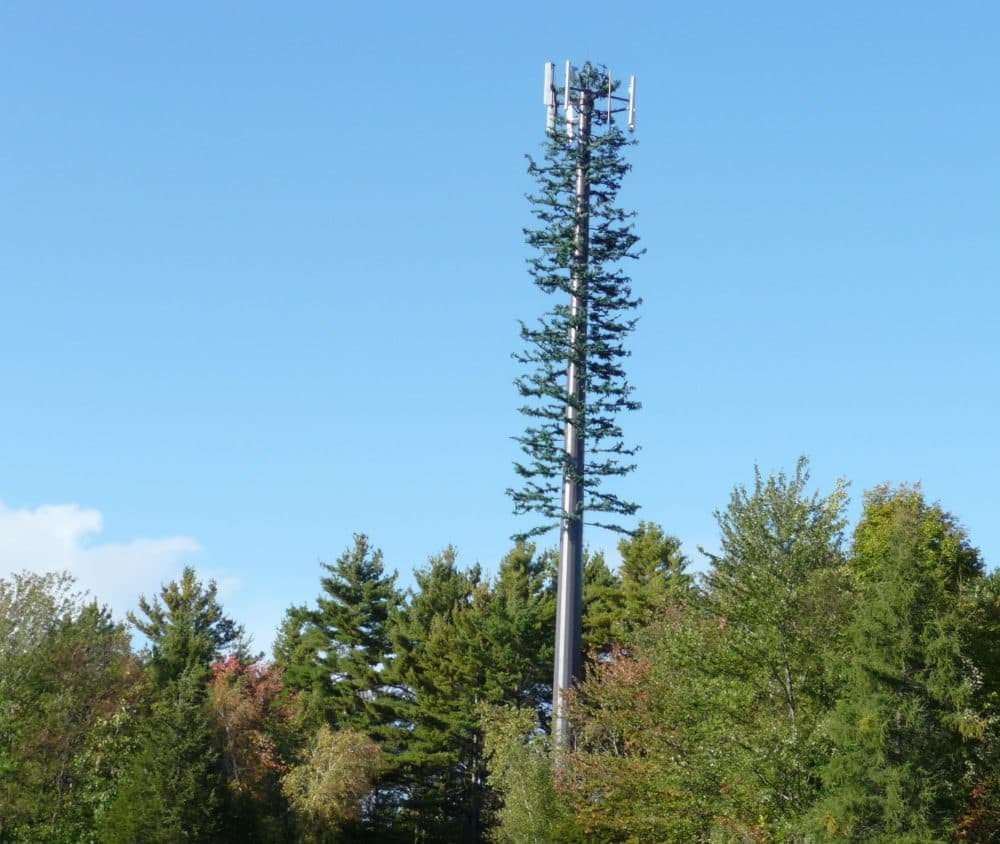
The provision of mobile communication services requires the utilization of cell phone towers. These towers are often installed atop buildings, on utility poles, or atop rooftop antennas for cell phones.
Radiation emitted by cellular phone towers is generally at its highest level within a radius of fifty meters round the antenna, and then it begins to gradually fade. Because of this, it is vital to maintain some space between yourself and a 5G cell tower.
1. The Elevation of the Structure
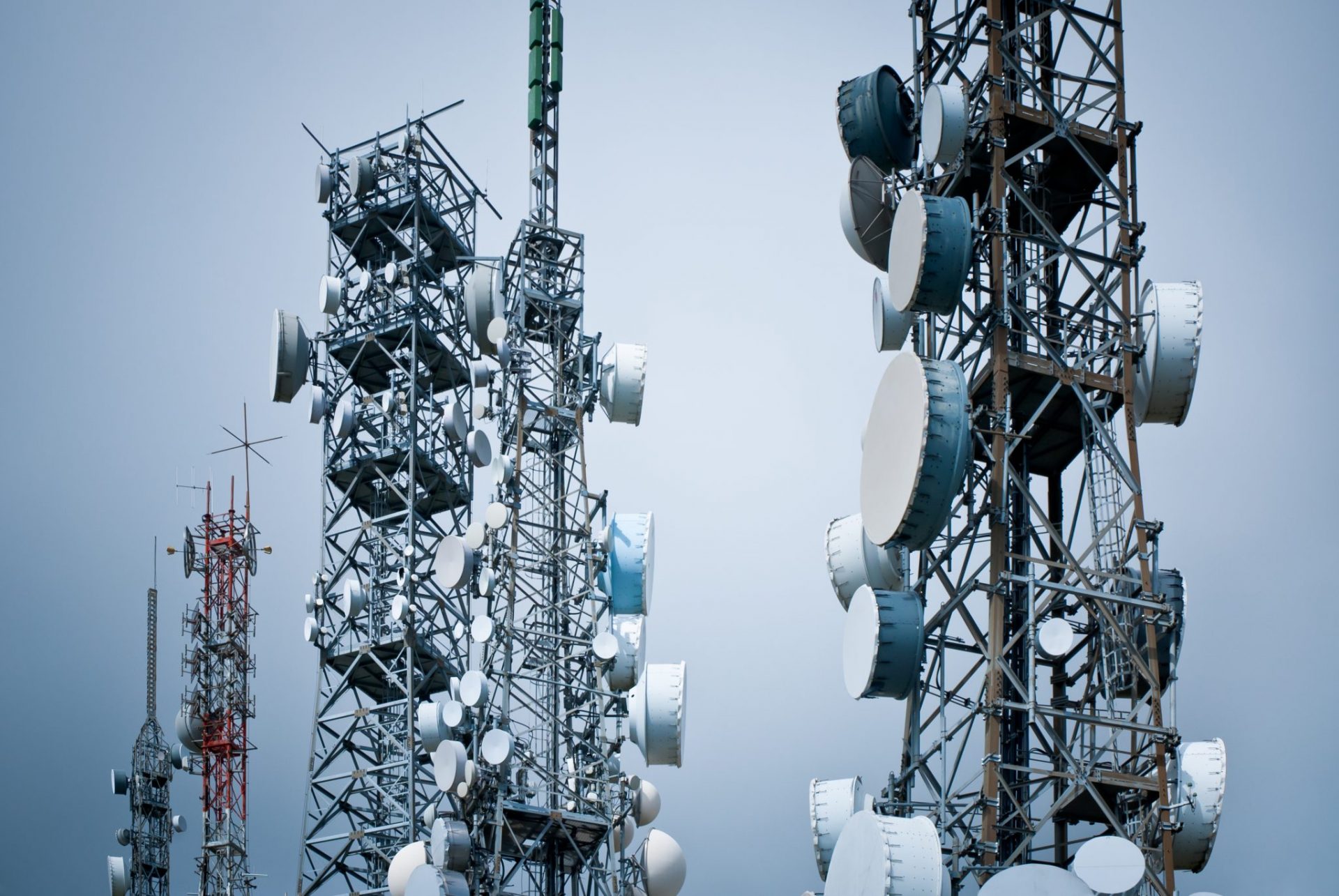
The brand new 5G technology runs at greater frequencies than its predecessors did, and waves with this type of high frequency have a far more difficult time penetrating barriers. This means that that a large number of smaller towers, sometimes known as tiny cells, should be built in urban areas and residential communities all over the globe. These little antennas will be packed considerably more closely together than conventional cell towers, that will create a never-ending way to obtain radio frequency (RF) radiation for everybody in the surrounding region.
A great number of folks are concerned that the newly developed tiny cell antennas would be harmful. They're concerned that surviving in such close proximity in their mind may raise their risk of developing cancer or other serious health problems. However, there is absolutely 5g towers safe distance for these concerns. 5g towers safe distance (RF) energy that's emitted by these antennas is a lot below acceptable levels by way of a factor of hundreds or even more. Furthermore, 5g towers safe distance has discovered that residing near to a cell tower isn't associated with an increased probability of becoming sick.
The normal selection of a cell tower is between one and three miles. The range of this tower would depend on the particular devices that are installed onto it along with the terrain that it traverses. The number is often much less in urban settings, falling anywhere between 0.25 miles and 1 mile.
2. The Signal's Own Particular Frequency
Radiofrequency (RF) radiation, which may be hazardous, is emitted by cell phone towers. This radiofrequency radiation is capable of penetrating the human body and causing a number of adverse health effects, including nausea, migraines, and maybe even cancer.
Cellular towers are capable of transmitting data and speech across a broad spectrum of frequencies. Signals operating at lower frequencies, such as for example 600 MHz and 700 MHz, have a broader coverage radius than signals operating at higher frequencies. For instance, a cell tower that operates on frequencies of 2.5 GHz is capable of covering an area that's at least three miles in radius. However, a cell tower that uses frequencies in the C-band (3.5 GHz) can only just broadcast its signal up to distance of around one mile.
It is necessary for businesses to install a greater number of cells in urban settings to make cellular networks more efficient. In order to do this, they will need to construct more cell towers and position them in closer proximity to one another. As a direct consequence of this, the radius of a cell tower has gradually shortened over the course of time. At the moment, nearly all cell towers in metropolitan contexts are located far away of between 0.25 miles and 1 mile in one another.
Because of this, there's increased worry over 5G, which needs additional cell sites. In addition, some individuals are worried that these cell sites will undoubtedly be used for espionage purposes contrary to the local populace. For example, there is a hypothesis that the introduction of 5G would lead to the proliferation of phony cell towers referred to as stingrays. These stingrays transmit signals to nearby cell phones, which then allow the phones to identify the user and locate them.
3. The Influence that the Signal Has
The quantity of energy that's being conveyed by the signal is what's meant to be represented by the signal's power. The higher the power, the greater the quantity of energy that's being transferred. The frequency of the signal and the length of time that it's sent for both have an effect on the effectiveness of the signal.
There are a great number of individuals who are worried about the potential threats that 5G mobile towers pose to their health, privacy, and safety. They are furthermore afraid that the towers will have a negative impact on the value of these home. There are even 5g towers safe distance being manufactured in certain areas to outright prohibit installing these cell towers.
The fact that 5G consumes a large amount more power than its predecessors in the field of wireless technology is among the primary resources of concern concerning this new standard. This indicates that there is a larger possibility for the towers release a radiation into the environment. There is also the possibility that the radiation emitted by the towers might result in adverse health effects, including as cancer or coronary disease.
However, there is no basis for these concerns. Research has shown that the levels of radio frequency (RF) radiation emitted by 5G towers are hundreds and even thousands of times lower than what's considered acceptable. In addition, the radiation that is emitted by cell towers will not be absorbed by live tissue and is unable to travel through our body. In addition, the wavelengths of the signals sent by 5G towers are much shorter than those of previous generations of mobile phone technology. This implies that they can only travel over short distances, and the cell towers should be closer together than they were with older technologies as a way to accommodate this limitation.
4. The quantity of Space That Separates You and the Tower
There is fear an increased amount of cell towers will undoubtedly be required once the current 4G network is upgraded to the 5G network. That is due to the fact that the 5G network will operate at higher frequencies, and waves of an increased frequency have a more difficult time traveling across greater distances and penetrating barriers like as buildings, hills, and trees. Due to this, cell towers must be located more nearer to one another than they were in earlier generations of technology. Which means that there are always more transmitters in the environment around you.
The issue is that the majority of people think that tiny cells will be the ditto as a 5G cell tower. Attached to utility poles or light poles, small cells are really antennas that function in conjunction with huge macro-towers to build wireless networks. Typically, these small cells are mounted on utility poles. They are not regarded to become a component of a cellular phone tower; yet, owing to the close proximity of the devices to homes and businesses, some people wrongly link them with 5G technology.
The radiation from cell phones reaches its highest point inside the initial portion of the tower's radius; after that it begins to drop as you go further from the tower. Studies have indicated that one people who reside in close proximity to a cellular phone tower have bodily discomforts such as headaches and indigestion. This is actually the case for some of these individuals. In one research project that was carried out in Germany, participants were observed for an interval of a decade while they were residing within 400 meters of two mobile phone towers. They found that the risk to be identified as having cancer was 3 x greater for many who lived in closer proximity to the tower compared to those that lived farther away.